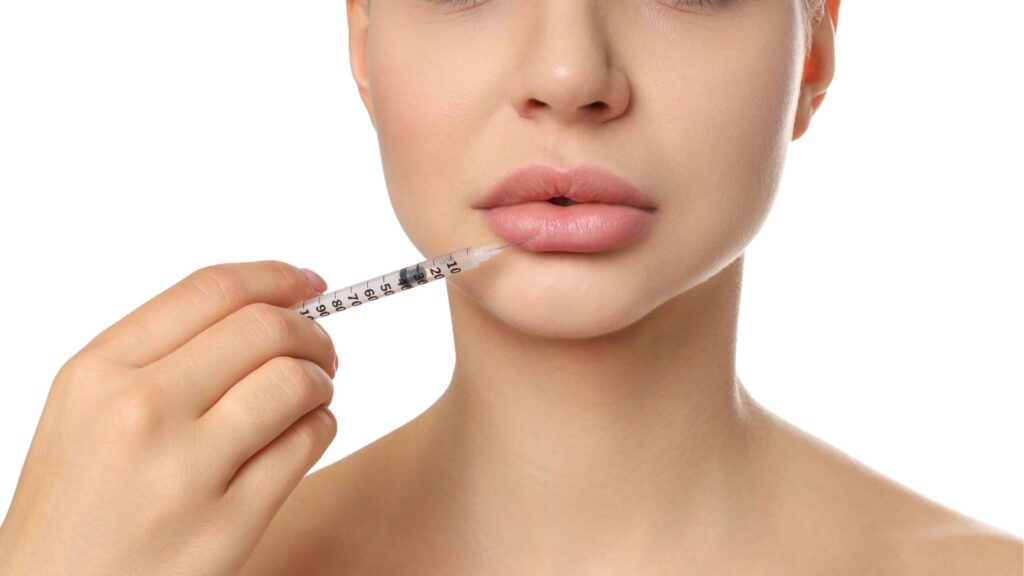


Old hyaluronic acid filler can sometimes be reduced or dissolved with hyaluronidase, even years after treatment. The age of the filler is only one part of the decision. Your practitioner needs to establish what product was used, where it is and whether dissolving is likely to address your concern. Other injectable materials cannot be reversed in the same way.
Perhaps your lips look fuller than expected despite a long break from treatment. You may feel a lump, notice under-eye puffiness or want a more natural facial contour. These concerns deserve a careful explanation before another injection is considered. Removing everything is not automatically the best answer, and adding more filler is not automatically the solution either.
What Does “Old Filler” Actually Mean?
Patients often use the term for any injectable treatment performed months or years ago. However, different products have different compositions and behaviour. Hyaluronic acid, calcium hydroxylapatite, poly-L-lactic acid and permanent materials should not be treated as interchangeable. A product name, treatment record or photograph of the packaging can therefore be very helpful.
The visible aesthetic effect and the physical presence of material are also different questions. A result can appear less noticeable while some product remains. Changes in facial volume, skin quality, lighting and surrounding tissues may alter how an old treatment looks. A calendar alone cannot confirm that every trace has disappeared.
Can Filler Still Be Present After Several Years?
It can. Persistence varies with the material, anatomical area, amount, placement and individual tissue response. That does not mean every patient retains filler for the same length of time or that all long-lasting fullness is caused by retained filler. Assessment needs to consider the individual history rather than rely on a universal expiry date.
Repeat treatments can make the picture more complicated. Someone who has had several appointments at different clinics may have overlapping products, incomplete records or uncertainty about quantities. If the concern developed gradually, old photographs can help show the starting point and how the appearance changed. They are useful context, rather than a substitute for examination.
Which Fillers Can Hyaluronidase Dissolve?
Hyaluronic Acid Filler
Hyaluronidase is an enzyme used in aesthetic medicine to break down hyaluronic acid. It may be considered for selected concerns involving HA filler, such as unwanted volume, some contour irregularities or product outside the intended area. Its use for cosmetic filler reversal is generally off-label in the UK, which should be explained during consent.
The CMAC guideline on hyaluronidase explains that products can respond differently and that elective dissolving does not have one standard dose suitable for every situation. Treatment should be planned and performed by an appropriately qualified clinician, with reassessment rather than a promise that one appointment will remove a precise quantity.
Non-HA Injectables
Hyaluronidase does not directly dissolve PLLA products such as Sculptra, calcium hydroxylapatite products such as Radiesse or permanent silicone material. If a hybrid injectable contains HA alongside another component, removing the HA component does not reverse everything else. Previous collagen stimulation and existing tissue changes will not simply disappear because an enzyme is injected.
This is why it is important to avoid the phrase “all filler is reversible”. Even HA filler reversal has limits, risks and uncertainty. If the product is unknown, the practitioner may need further information or investigation before deciding whether treatment is appropriate.
Reasons Patients Consider Dissolving Old Filler
A Heavier or Overfilled Appearance
Preferences can change. A result that once felt desirable may now look too prominent, especially after repeated appointments. The aim of correction should be agreed in practical terms: less projection, clearer lip definition or a softer contour, for example. “Back to normal” needs discussion because your face may have changed naturally since the original treatment.
Suspected Migration or Persistent Puffiness
A ridge around the lips or fullness below the eyes may prompt concern about migration. However, swelling, anatomy, superficial placement and other tissue changes can create similar appearances. Our filler migration guide explains why the diagnosis matters before deciding whether to dissolve. Not every visible irregularity is material that has moved.
Lumps and Uneven Contour
A lump may be related to product distribution, inflammation, infection or something unrelated to filler. Its timing, tenderness, skin changes and behaviour influence the assessment. A painful, warm or increasingly red swelling should not be treated as a simple cosmetic excess. It may need a different approach before any elective correction is discussed.
What Happens at a Correction Consultation?
Your practitioner should ask about the original treatment, subsequent top-ups, previous dissolving and other procedures in the area. Medical history, medicines, allergies and previous reactions are relevant. Tell the clinician if the area has been repeatedly swollen or if another provider has already tried to correct it.
Examination considers the concern at rest and with expression, alongside skin quality, facial proportions and the feel of the tissues. The aim is to distinguish unwanted product from normal anatomy or another problem. Our aesthetic complications and corrections page describes this assessment-first approach.
When Might Ultrasound Help?
Ultrasound may help investigate the location of previous injectable material or clarify a complex treatment history in selected cases. It is not required for every patient and cannot answer every question. Ask whether imaging would change the proposed management and whether specialist assessment would be useful if the material is uncertain.
Records to Bring
Bring product names, dates, quantities if known, the areas treated and details of any reactions. Include older photographs and correspondence about previous corrections. If records are missing, say so clearly rather than guessing. The practitioner can explain which uncertainties matter and whether it is reasonable to proceed without further documentation.
Can You Dissolve Only Part of the Filler?
Targeted reduction may be possible in selected circumstances, but the enzyme is not a precision eraser. Its effect can extend beyond a single visible bump, and the response depends on the product and tissues. A clinician cannot guarantee removal of an exact percentage while preserving every neighbouring deposit.
Sometimes a staged approach allows reassessment after swelling settles. Sometimes broader reduction is more practical, while in other cases leaving well-positioned filler alone is preferable. The plan should reflect what is causing the concern and how much uncertainty you are comfortable accepting.
What Is the Dissolving Appointment Like?
After assessment and consent, the clinician explains the proposed treatment area, expected sensations, risks and follow-up. Injections can cause stinging, temporary swelling, bruising or tenderness. An early change in appearance may be visible, but it should not be mistaken for the final settled outcome while the tissues are swollen.
The amount and placement of enzyme are clinical decisions. Do not compare your treatment with a friend’s dose or an online protocol. Different products, locations and objectives can require different plans. A further session may be considered after review if a clinically meaningful concern remains.
Ask how to contact the clinic after treatment and what symptoms need urgent help. You should also understand the likely total process, including the possibility of reassessment or referral. A correction consultation should give you a realistic route forward, rather than a guarantee of an immediate reset.
What Are the Risks of Dissolving?
Hyaluronidase can cause local reactions and, rarely, a serious allergic reaction. Tell your clinician about previous exposure, previous reactions and significant allergies, including reactions to bee or wasp stings. The clinician must decide how your history affects suitability and any testing; a skin test cannot guarantee that a serious reaction will never occur.
Changes in contour may be more noticeable after unwanted volume is reduced. Underlying asymmetry, hollowness or skin laxity can become clearer. This does not automatically mean the procedure has damaged tissue, but persistent unexpected symptoms deserve assessment. Photographs and a review help separate temporary swelling from a lasting concern.
The FDA’s filler removal information notes that reducing or removing material may need different interventions and can be difficult, particularly for permanent or non-HA products. This general safety information should support, rather than replace, advice about your own treatment.
Will Dissolving Restore My Original Face?
No practitioner can promise an exact return to a photograph taken years earlier. Ageing, weight change, previous treatment and the natural behaviour of skin and deeper tissues all influence appearance. Removing filler does not reverse these other factors. Agree what improvement is realistic before deciding whether the likely benefit outweighs the risks.
It may help to distinguish your immediate objective from a longer-term aesthetic goal. First, you may want to understand and reduce an unwanted deposit. Later, you may decide whether any further treatment is worthwhile. Keeping those decisions separate gives you time to assess your own face without pressure to refill straight away.
How Long Before Having Filler Again?
There is no single interval appropriate for every situation. The reason for dissolving, extent of treatment, swelling, inflammation and tissue condition all affect timing. The clinician should reassess the area before recommending another injectable. If the original problem involved infection or an inflammatory reaction, additional caution and investigation may be needed.
More filler is optional. Some patients prefer the appearance after reduction and choose no further treatment. If you do proceed, discuss a conservative plan based on current anatomy rather than automatically recreating the previous volume. Review the cause of the original concern so that the same pattern is not repeated.
When Is Old Filler an Urgent Concern?
A longstanding stable cosmetic concern usually allows a planned appointment. New severe pain, rapidly changing skin colour, visual disturbance or neurological symptoms require urgent medical assessment. Call 999 for emergency symptoms such as sudden loss of vision, stroke-like changes or breathing difficulty. Tell the emergency team about recent injections and notify the treating clinician immediately where possible.
Increasing redness, heat, discharge, fever or rapidly worsening swelling also needs prompt clinical advice. Do not assume a problem is harmless because the original filler is old. Equally, do not wait for an online reply if you feel seriously unwell or symptoms are progressing rapidly.
Questions Worth Asking Before Correction
- What is the likely cause of the appearance I want to change?
- Do we know which product is present?
- Would imaging or specialist review change the plan?
- Is targeted reduction realistic, and what might remain?
- What risks apply to my medical and allergy history?
- When will the result be reviewed before deciding on more treatment?
These questions make the proposed outcome easier to understand. If the explanation is unclear, take time to consider it. Choosing observation, requesting records or seeking another clinical opinion can be reasonable steps when a concern has several possible causes.
Frequently Asked Questions
Should All My Old Filler Be Removed Before a New Treatment?
Not automatically. Existing filler may still be well positioned and contribute useful support. The clinician should consider the whole area and explain which product, if any, appears to be causing a problem. A blanket recommendation to remove everything without discussing your anatomy and history is not a substitute for a personalised plan. Ask what would be gained by removal and what the alternatives involve.
Can I Decide From Before-and-After Photographs Alone?
Photographs can help communicate a preferred result, but they do not reveal the type of product, injection depth or tissue condition in another patient. Changes in lighting, expression and camera distance can also exaggerate an apparent improvement. Use examples to describe your preferences, then ask how your own anatomy and previous treatment may lead to a different outcome. A realistic consultation should explain those differences clearly.
Old Filler Assessment at DRV Clinic
If previous filler no longer suits you, a consultation at DRV Clinic in Marylebone can help clarify the options. Bring your treatment history and describe what you would like to change. The priority is to identify the material and concern before recommending dissolving, monitoring or another form of management.
This guide provides general information and cannot determine which treatment you need. An individual examination is particularly important if the product is unknown, several corrections have already been attempted or symptoms are painful, inflamed or changing. Seek emergency help immediately for serious warning signs.
Leave a Reply Cancel reply
Your email address will not be published.Required fields are marked *
Comment *
Name *
Email *
Website
Save my name, email, and website in this browser for the next time I comment.