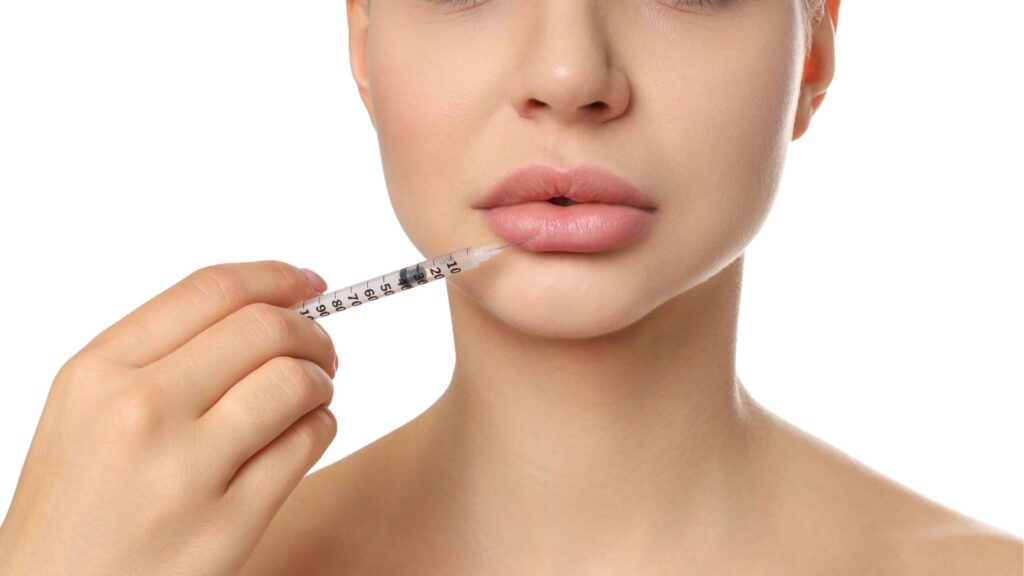


Noticing fullness above your lip after filler can be worrying, especially if the shape has changed gradually. Lip filler migration describes filler found outside the intended treatment area. However, a visible ridge or uneven border does not prove that filler has moved. Swelling, anatomy, excess volume and other tissue changes can create a similar appearance.
An assessment helps establish what is happening before more injections are considered. Depending on the cause, the appropriate approach may be observation, treatment of a complication or carefully planned dissolving of a hyaluronic acid filler. Understanding these distinctions can help you avoid unnecessary treatment and recognise symptoms that need urgent attention.
What is lip filler migration?
Migration means filler material is present beyond the area where the injector intended it to remain. Around the mouth, patients may describe a shelf above the upper lip, a blurred border or fullness visible in profile. Changes can also be noticed around the lower lip or at the corners of the mouth.
These descriptions are clues, not a diagnosis. Product placed outside the desired area, an overfilled lip, swelling and natural anatomy can look similar. A practitioner should examine the lips and discuss your treatment history before attributing the appearance to migration. A photograph on its own cannot reliably establish the cause.
The US Food and Drug Administration lists migration among reported filler risks. Such reports do not establish how likely an individual patient is to experience it or explain every change in appearance after treatment.
What can migrated filler look like?
Possible concerns include a raised band above the upper lip, loss of definition at the border, fullness extending towards the nose or an uneven profile. Some people feel a soft or firmer area; others notice only an appearance change. There may be no discomfort. The product, amount present and surrounding tissues all influence what is seen.
Pictures taken before treatment and after each appointment can be useful, particularly when lighting, angle and expression are consistent. Filters, close-up phone photographs and different lip positions can exaggerate differences. Bring original photographs to your appointment if you have them, but let an examination guide decisions about correction.
Migration or normal swelling?
Swelling and tenderness commonly occur after lip injections. Early swelling can make the border look uneven, and the two sides may settle at different speeds. Your treating clinic should explain the expected recovery and arrange a review when appropriate. Do not assume every early change is migration or seek immediate corrective injections because the first few days look different.
Severe or increasing pain, unusual pale, grey, blue or mottled skin, and visual symptoms are different. These require urgent assessment, rather than waiting for ordinary swelling to settle.
What causes lip filler migration?
There is rarely enough information to identify one definite cause from appearance alone. Placement, product characteristics, volume, previous injections, the interval between appointments and individual tissue characteristics may all be relevant. The lips move frequently and have a complex relationship with surrounding muscles and soft tissues.
Repeated treatment and remaining product
A series of top-ups can change the total amount of filler present. A product does not necessarily disappear completely on a predictable schedule, so each new appointment should begin with an assessment of what remains. Adding more volume to disguise a blurred border may increase fullness and make the original concern harder to evaluate.
Placement, technique and anatomy
The location of an injection, the product selected and the amount used can influence the result. Lip shape and tissue capacity vary. A plan that suits one patient may not suit another, even if both request the same named technique. No technique guarantees that migration or another complication will never occur.
Ask your practitioner to explain the intended change and its limits. A realistic plan should account for the whole lip area and existing treatment, rather than promising a particular shape based only on a reference photograph.
Previous procedures and unknown products
Previous surgery, filler and other procedures can affect assessment. Bring product names, dates and amounts if available. If you do not know what was injected, say so. An examination may still be possible, but uncertainty about the material can change the safest options and whether further information, imaging or referral is needed.
When should you seek urgent help?
Severe or unusual pain, white, grey, blue or mottled skin during or shortly after filler, or sudden visual changes need immediate medical assessment. Filler can rarely affect blood supply, with potentially serious consequences. Contact the treating clinician immediately and seek urgent medical care. For sudden vision loss, stroke symptoms or a severe allergic reaction, call 999 or attend A&E. Do not wait for a routine cosmetic review.
Increasing redness, warmth, swelling, pain, discharge, fever or feeling unwell may suggest infection or another complication and needs prompt assessment. A new painful or inflamed lump weeks or months later also deserves a clinical review. Delayed changes have several possible causes and should not automatically be labelled migration.
How is a lip filler concern assessed?
A clinician will ask what bothers you, when it appeared and whether there is pain, colour change, swelling or another symptom. They may review photographs and ask about products, previous reactions, medical conditions, allergies and medicines. Examination considers the lips at rest and with movement, as well as the surrounding tissues.
Ultrasound can sometimes help an appropriately trained clinician locate material or investigate a concern. It is not necessary or available in every case and does not guarantee a complete answer. If symptoms suggest a medical complication, treatment or referral may take priority over discussion of appearance.
Our lip filler correction service explains the role of assessment and individual planning. An assessment does not automatically mean an injection is needed, and the recommended outcome may be to wait or avoid further treatment.
Can migrated lip filler be dissolved?
Many lip fillers contain hyaluronic acid. Hyaluronidase is an enzyme that can break down hyaluronic acid and may be considered for an unwanted result or certain complications. Dissolving is itself an injectable procedure with benefits, limitations and risks. These should be discussed before you decide.
Not every injectable material is hyaluronic acid, and hyaluronidase does not dissolve all filler products. If the product is unknown or different materials are present, a clinician should assess the safest approach. Some fillers can be difficult or impossible to remove completely. A promise that any filler can simply be erased would be misleading.
Can only the unwanted area be dissolved?
A targeted or staged approach may be discussed when appropriate. However, hyaluronidase is not a perfectly precise eraser. The extent of its effect can be difficult to predict, and some filler you wish to keep may also be reduced. A particular final shape cannot be guaranteed and further review or treatment may be needed.
Read our filler dissolving and hyaluronidase guide for more information about product suitability and the limits of correction.
What are the risks of dissolving?
Temporary swelling, bruising, redness and tenderness may occur. Allergic reactions are possible and can be serious. Your practitioner should ask about relevant allergies and medical history, explain precautions and have arrangements for managing a reaction. Testing or other precautions are clinical decisions and cannot eliminate all risk.
Lips may look smaller than you are used to after dissolving. Their appearance depends on original anatomy, remaining product, swelling and tissue characteristics. Temporary unevenness can occur, so an immediate photograph should not be treated as the final outcome. Your clinic should explain when and how the result will be reviewed.
Will it go away on its own?
Hyaluronic acid filler can gradually change and break down over time, but timing varies. It may persist longer than expected. There is no reliable date by which a particular ridge will disappear. If the concern is cosmetic and no warning symptoms are present, observation may be a reasonable option to discuss with your clinician.
Do not try to remove filler yourself. Heat, massage, home devices and products sold online cannot reliably dissolve it and may irritate or injure the tissues. Avoid pressure or manipulation unless the clinician who has assessed you specifically recommends it. Do not inject any dissolving product at home.
Should you add more filler to correct it?
More filler is not automatically a solution. It can increase fullness and obscure the underlying concern. Sometimes the issue relates to balance or the original anatomy, but that distinction needs assessment. A careful plan considers your goals, existing product and the likely cause before discussing whether waiting, staged correction or another approach is appropriate.
If you consider enhancement again, ask which product and amount are proposed, why they are suitable and what aftercare is available. The NHS guidance on choosing a cosmetic practitioner recommends checking training, experience, insurance and who will look after you if something goes wrong.
What happens after correction?
Your clinic should provide aftercare instructions, contact details and a review plan. Swelling and bruising can temporarily make the area appear uneven. Contact the clinic if symptoms are unexpected, persistent or worsening, and seek urgent help for the warning signs described above.
Some patients choose to leave their lips without further filler. Others discuss a new conservative plan after healing and reassessment. Refilling is optional. The timing should depend on the clinical situation and whether the tissues have settled, rather than an automatic promise of a second appointment on a fixed date.
Reducing the risk of further problems
No practitioner can guarantee prevention. You can make a more informed choice by selecting someone appropriately trained and insured who assesses your anatomy, records the product and amount, explains complications and has clear urgent aftercare arrangements. Take time to consider the plan before agreeing.
Be open about previous procedures, including treatments performed elsewhere. Let the practitioner assess what is already present before deciding on a top-up. If they recommend waiting or advise that further injections are unsuitable, ask them to explain the reasoning. A treatment appointment should not create an obligation to have a procedure.
Questions to ask before treatment
- What could explain the appearance, and what else needs ruling out?
- Do we know which product was used?
- Would imaging or specialist referral help?
- What are the options, including observation?
- Could dissolving affect filler I want to keep?
- What review and urgent aftercare are included?
- What is the full cost if more than one appointment is needed?
Frequently asked questions
Does a ridge always mean migration?
No. Swelling, anatomy, placement, excess volume and tissue changes can all affect the border. An examination helps establish the likely cause before treatment is considered.
Can changes appear months later?
Yes, patients may notice changes at different times. Timing alone does not establish the cause. New pain, inflammation or a lump should be assessed rather than assumed to be an ordinary cosmetic concern.
Will my original lips return exactly?
Not necessarily. The result depends on anatomy, remaining product and the tissues. Swelling may temporarily alter the appearance, and a staged plan may be appropriate. No exact outcome can be promised.
What should I bring to a consultation?
Useful treatment records
Bring treatment dates, product details, photographs and information about previous reactions if available. Explain your medical history and medicines. Do not stop prescribed medication without advice from the professional who prescribes it.
Planning a review
If the issue is not urgent, write down the changes you have noticed and the questions you want answered. Explain whether your priority is a different shape, less volume or understanding a symptom. Ask for a written explanation of the recommended plan and its limits. This makes it easier to compare options calmly and avoids committing to correction before you understand what it can realistically achieve.
Discuss your concern at DRV Clinic
If your lips look different from what you expected, a consultation can help identify possible causes and discuss appropriate options. Explore our lip filler correction information before your appointment. A consultation gives you space to ask questions and does not commit you to treatment.
This article is general information and does not replace an individual clinical assessment.
Leave a Reply Cancel reply
Your email address will not be published.Required fields are marked *
Comment *
Name *
Email *
Website
Save my name, email, and website in this browser for the next time I comment.